
Paid Sewer Bills for Years, Then Found a Septic Tank
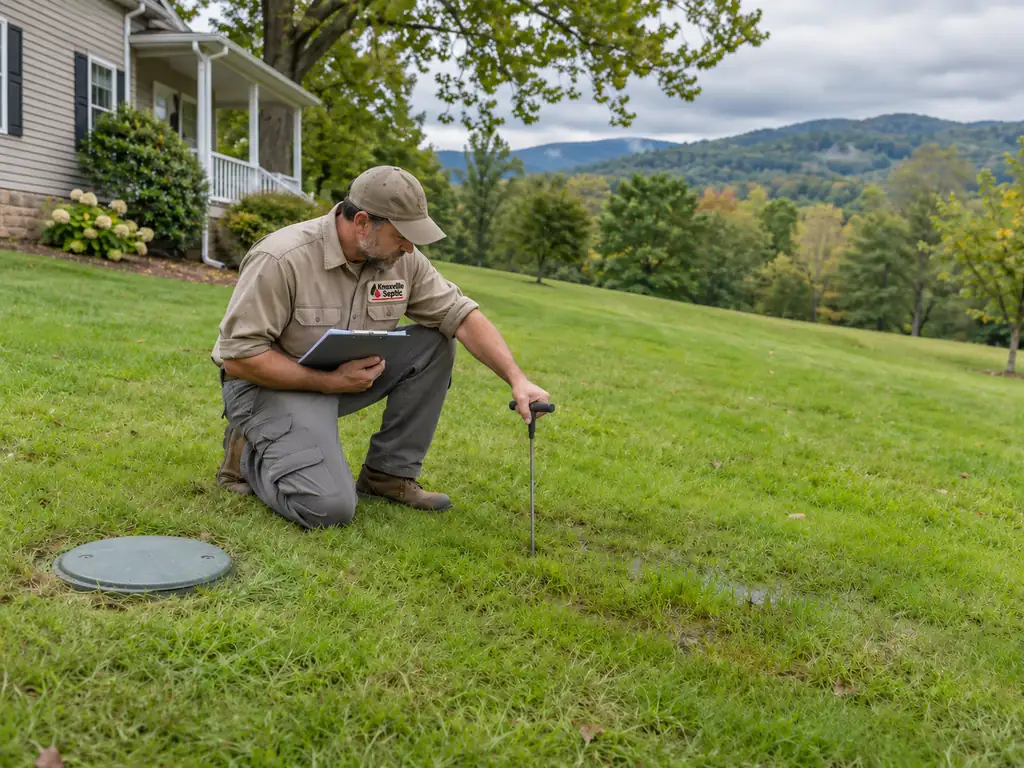
A Lynchburg homeowner who believed his house was on city sewer found a septic tank in his backyard this summer, after paying sewer charges for years. The local utility board has agreed to refund part of the money, the Moore County Observer reported.
A septic tank behind the house
Jim Dore and his wife bought the house on Main Street in Lynchburg about 10 years ago and rented it out for eight years before moving in. In August, workers digging the footing for a new outbuilding behind the house hit an underground pipe and a septic tank. Dore ran water through the house and found it was not reaching the public sewer.
“I just thought we were on city sewer,” Dore told the paper.
The Metro Utility Department bills sewer based on water use. Its records back to 2022 show about $4,600 in sewer charges on the account. Dore estimated the total over the years at “probably close to $7,000 or $8,000,” the Observer reported.
The county attorney advised that the utility was not financially responsible, because buyers are expected to check their utilities when they buy. But on October 13 the utility board voted 4 to 0 to refund sewer charges from April 2025 through September 2026, a little over $1,000, and to waive the fee for connecting to the sewer.
“When we sell water, we don’t have a meter for sewer,” said board Chairman Greg Guinn. He said the discovery “really got me to wondering if there’s others out there.”
Why it matters
Nothing in the billing would have shown the problem. Sewer charges are worked out from the water meter, so a house on septic and a house on sewer get the same-looking bill. The only way to know is to find where the waste actually goes.
It also cuts the other way. A buyer who assumes a house is on sewer will not budget for pumping, will not know where the tank is, and will not know whether the drain field is failing until it does.
If you are buying a house
The utility in Lynchburg does not know how many other houses are in the same position, and no one in Knox County does either. If you are buying, book a septic inspection before closing. If you are a realtor, see how we work with agents.
What it means for a Knox County septic owner
Plenty of Knox County houses sit on the line between sewer and septic, and older homes in particular can be on a tank nobody remembers. Before you buy, find out which one the house uses: ask the seller, check with the utility, and have the system located and inspected. If it is septic, an inspection tells you the tank's size, condition and when it was last pumped, before that becomes your problem.
Sources: Moore County Observer